
Chelsea Harbour apartment removals and lift access advice
Posted on 08/08/2026
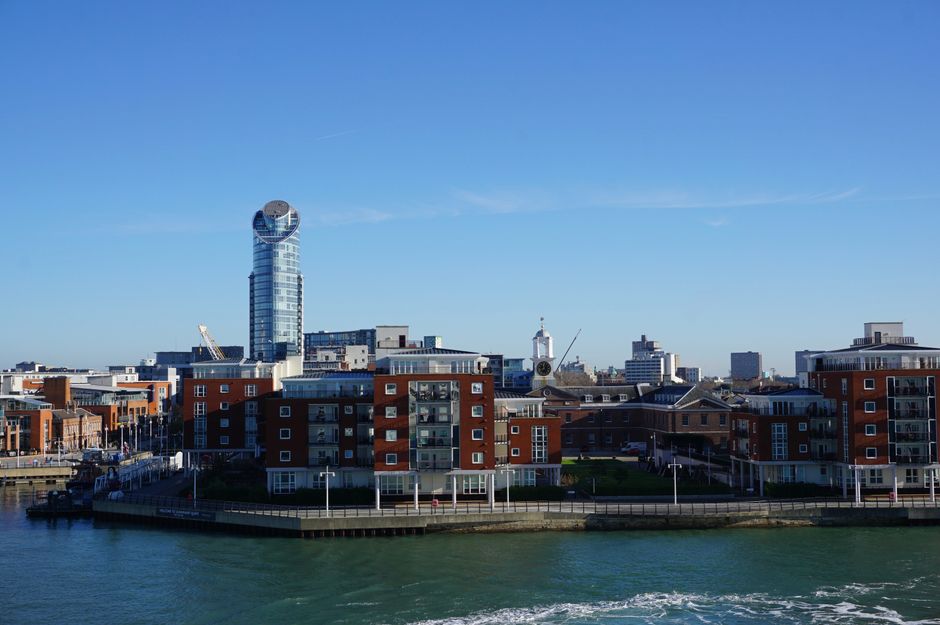
Moving out of a Chelsea Harbour apartment sounds simple enough on paper. In real life, it can be a different story: tight service lifts, booked moving windows, concierge requirements, awkward parking, and neighbours who would very much like the corridor to remain quiet, thank you. That is exactly why Chelsea Harbour apartment removals and lift access advice matters. A well-planned move in this part of London is not just about getting boxes from one address to another; it is about timing, building rules, safety, and protecting both your belongings and the building itself.
This guide brings together the practical details people usually wish they had heard earlier. We will look at how apartment removals in Chelsea Harbour tend to work, how lift access changes the job, where delays usually happen, and what you can do to make the whole thing calmer. If you are moving a flat, a riverside apartment, or a high-value home with delicate furniture, you will find the useful bits here.
Why Chelsea Harbour apartment removals and lift access advice matters
Chelsea Harbour has a very particular moving profile. Apartments often sit within managed developments, with shared entrances, concierge teams, service lifts, loading bays, and rules about when removals can happen. That is a good thing when it is handled properly. It keeps the building orderly and helps protect common areas. But it can also create bottlenecks if the move is rushed or assumptions are made.
The lift is usually the first thing people underestimate. A lift may be available, but that does not automatically mean it is suitable for removals. It may be a passenger lift with limited weight capacity, a narrow car, or a booking system that only allows one move at a time. Sometimes the lift is technically usable, yet not practical for bulky sofas, wardrobes, mirrors, or a piano. And yes, that can turn a straightforward move into a long day of waiting in a lobby with a bottle of water and a growing sense of regret.
Good advice matters because a poorly planned apartment move can lead to avoidable issues:
- delays caused by lift scheduling or concierge sign-in
- damage to walls, floor coverings, lift interiors, or furniture
- stress for neighbours and building staff
- extra labour time if items need to be carried by stairs
- parking problems if access arrangements were not checked in advance
If you are also weighing up the wider Chelsea move rather than only the building logistics, it can help to understand the local property picture. Our guide to the Chelsea real estate market and local resident insights give useful context on why the area attracts such a mix of buyers, tenants and long-term movers.
How Chelsea Harbour apartment removals and lift access advice works
Most Chelsea Harbour apartment moves follow a similar rhythm. The details vary by building, but the basic sequence is usually the same: assess the property, check access, confirm the lift position, pack properly, protect the route, then move within the booked window. The difference between an easy move and a painful one is usually in the preparation.
Here is the typical flow.
1. Building access is checked first
Before move day, you need to know how the building wants removals handled. Some developments require advance notice, lift bookings, proof of insurance, or a named contact person. Others want time slots confirmed in writing. You may also need to ask whether the lift should be padded, whether the service entrance must be used, and whether the concierge needs a call on arrival.
2. The lift is assessed for size and suitability
Not all lifts are equal. A professional mover will want to know the internal dimensions, door width, lift capacity, and whether there are any restrictions on using it for furniture removals. If the lift is too small for a sofa or bed frame, the team may need to dismantle items or use stair carrying. That sounds obvious, but in practice it is the detail that makes or breaks the schedule.
3. Packing is matched to the route
Moves in managed apartments work best when boxes are consistent, furniture is wrapped properly, and fragile items are clearly labelled. The reason is simple: when people are moving through shared hallways and lifts, there is very little room for improvisation. Tidy packing reduces handling time. It also keeps everyone calmer, which honestly is half the battle.
4. Access equipment is chosen to fit the building
Depending on the apartment and the building rules, a move may need sack trucks, piano skids, furniture blankets, corner protectors, and temporary floor coverings. If there is a lift booking, the team may also work in coordinated runs so the lift is not blocked for longer than necessary. That matters in buildings where residents are coming and going throughout the day.
5. The move happens within the agreed window
In Chelsea Harbour, timing can be more important than brute strength. A carefully timed move reduces friction with building management and avoids overlapping with other residents' access. The best moves are the quiet ones, really. The team arrives prepared, clears the route, loads efficiently, and leaves the common areas as they found them.
If you are comparing different types of removals support, the service model matters too. A full team is usually better for a complex apartment move, while a smaller vehicle may suit lighter loads. You can explore the broader differences through the site's services overview and the practical options on flat removals in Chelsea.
Key benefits and practical advantages
When lift access is handled properly, the whole move becomes smoother. Not glamorous. Just smoother. And in removals, smoother is usually what people want most.
- Less risk of damage: Using the right route and protection helps reduce scratches, scuffs, and knocked corners.
- Faster loading: A booked lift and a clear plan cut wasted time in hallways and entrances.
- Lower stress: When everyone knows what is happening, there is less last-minute rushing.
- Better building relations: Good etiquette with concierge teams and neighbours makes future access much easier.
- Safer lifting: Fewer awkward carries means less chance of injury or dropped items.
- More predictable costs: Efficient access planning can help avoid extra labour time and unnecessary delays.
There is another benefit people miss. Good lift access planning helps preserve valuable furniture. In Chelsea Harbour apartments, it is common to see larger upholstered pieces, artwork, glass tables, and specialist items that deserve proper handling. If you are moving anything especially delicate, it may be worth reviewing furniture removals in Chelsea and, for high-value instruments, piano removals support.
For many people, apartment moving is also tied to a wider life change. Perhaps you are upsizing after a few years by the river, or downsizing closer to work. Either way, getting the lift logistics right removes one major source of uncertainty. That's worth a lot on a moving day.
Who this is for and when it makes sense
This advice is most useful if you live in, or are moving into, a managed apartment in Chelsea Harbour or a nearby riverside development. It is also relevant if your building has shared lifts, narrow corridors, concierge-controlled access, or strict booking rules.
It makes sense for:
- tenants moving in or out of a leasehold apartment
- owners relocating from a riverside flat to another London property
- households with large furniture that will not comfortably fit through tight lifts
- people needing careful handling for artwork, mirrors, antiques, or instruments
- anyone who wants to avoid awkward building-management problems on move day
It is particularly helpful if you are using a smaller team, such as a man and van service or a man with a van option, because those moves depend even more heavily on tight planning. If your load is larger or the access is more complex, a full house removals style team can be the safer choice, even for an apartment.
Truth be told, not every move needs the same level of kit. A student moving a studio flat has different needs from a family relocating from a river-facing apartment with a dining table the size of a small island. The right advice is the advice that fits the building and the furniture, not the other way around.
Step-by-step guidance
Here is a practical way to approach Chelsea Harbour apartment removals and lift access without making it complicated.
- Ask the building for its moving rules early. Find out whether you need to book a lift, use a service entrance, or provide insurance documents.
- Measure the large items. Sofa length, mattress size, wardrobe height, headboard width, and anything awkwardly shaped should be checked before move day.
- Compare furniture to the lift dimensions. If the item is a tight fit, assume it will need wrapping, turning, or dismantling. Hope is not a moving strategy.
- Protect access routes. Hallways, floor finishes, door frames and lift interiors should be covered or padded where needed.
- Confirm the parking and unloading point. A good access plan includes where the vehicle stops, where the team enters, and how long they can stay there.
- Pack by access priority. Keep first-load items easy to reach. Heavy boxes at the bottom, fragile items clearly marked, and screws or fixings bagged together.
- Coordinate the timing. Keep a buffer for traffic, concierge delays, and lift queues. London rarely runs to the minute, as we all know.
- Do a final walk-through. Check cupboards, balconies, storage areas, and behind doors before the team leaves.
If you are short on time, the best fallback is to book a service that can handle both planning and loading efficiently. For many apartment moves, packing and boxes support can save a surprising amount of hassle because it keeps everything more orderly from the start. And if the move needs to happen quickly, same day removals in Chelsea may be worth considering, provided building access can be arranged fast enough.
Expert tips for better results
These are the small things that make a big difference. They are not dramatic, but they are the difference between a move that feels managed and one that feels improvised.
- Book the lift longer than you think you need. A little buffer is cheap compared with rushing and damaging something.
- Use soft protection on corners and rails. Lift doors and corridor corners take the first hit when items are too wide.
- Keep a separate essentials bag. Keys, documents, chargers, tea bags, and basic cleaning bits should not disappear into the van.
- Label boxes by room and priority. In an apartment, that saves time when items come out of the lift in bursts.
- Tell the mover about awkward items up front. A piano, marble table, large mirror, or oversized wardrobe changes the whole approach.
- Plan for the neighbours, not just the route. A polite, tidy move keeps noise down and avoids complaints later.
Expert summary: The safest Chelsea Harbour moves are the ones where lift access, parking, packing, and timing are treated as one system. If one part is weak, the whole job slows down.
One more thing: if you are moving a valuable or fragile home, don't treat insurance as an afterthought. It is one of those boring details that only feels boring until something bangs against a lift wall. Reviewing insurance and safety information before moving day is sensible, not overcautious.
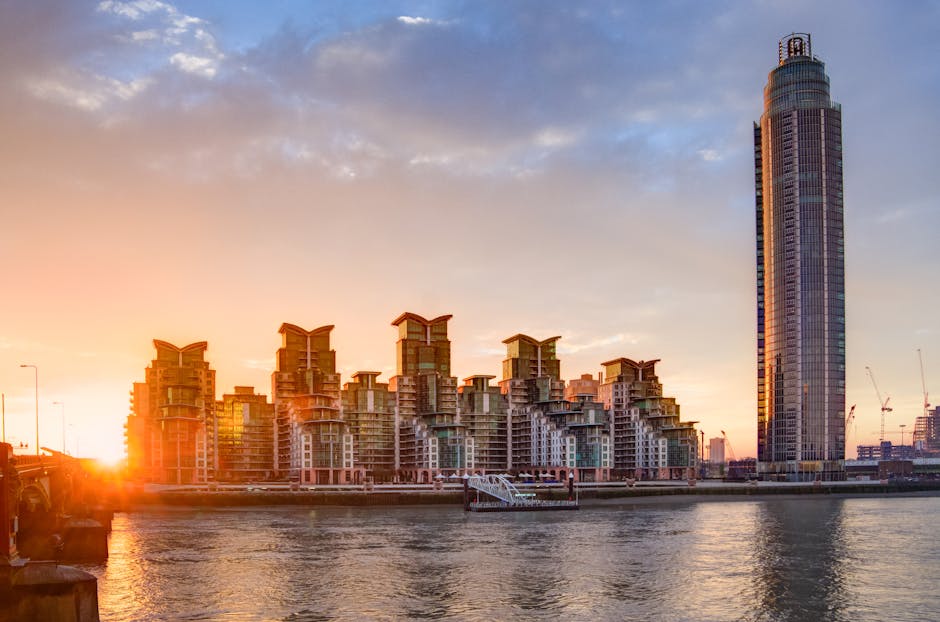
Common mistakes to avoid
Most apartment move problems are preventable. They usually come from a rushed assumption rather than a genuinely difficult situation.
- Assuming the lift is automatically available. A lift may be in the building but not approved for removals without booking.
- Not measuring the largest items. If a wardrobe is too tall for the lift, you need a plan before the removal team arrives.
- Ignoring building rules. Managed developments often have specific procedures, and ignoring them can create avoidable conflict.
- Using weak packing materials. Flimsy boxes or poor wrapping can fall apart during repeated lift trips.
- Leaving parking until the last minute. In Chelsea, access and parking can make or break the schedule.
- Forgetting to tell the mover about special items. The team needs to know if something requires extra manpower or equipment.
A small but common one: people sometimes assume an apartment move must be faster than a house move. Not always. Shared lifts, concierge checks, and restricted access can make apartment removals slower than you'd expect, especially in a busy building. That is just the reality of it.
Tools, resources and recommendations
You do not need a warehouse of equipment to move well, but a few practical tools can make a real difference.
- Measuring tape: essential for checking furniture against doorways and lift openings.
- Furniture blankets and wraps: useful for protecting corners, finishes, and upholstered items.
- Labels and markers: helps keep boxes organised, especially in multi-room flats.
- Trolley or sack truck: ideal for boxes and heavier loads where the route allows it.
- Flat-pack tools: a basic set for dismantling beds, shelves, or wardrobes.
- Spare packing tape and bags: because something always needs resealing at the wrong moment.
For people who want a more managed move, the most useful service pages to review are removal services in Chelsea, Chelsea removal companies, and general removals in Chelsea. If storage is part of the picture, especially during a delayed completion or renovation, storage in Chelsea can help bridge the gap without cramming everything into a temporary room.
For people with more specific moving needs, there are also useful supporting options such as office removals for home-office relocations and student removals for lighter, budget-sensitive moves. Different lives, different logistics.
Law, compliance, standards and best practice
Apartment removals in the UK are not usually about one dramatic legal rule; they are about sensible compliance, safe working, and respecting building management requirements. That may sound dry, but it protects everyone involved.
In practical terms, best practice usually includes the following:
- Public liability and goods-in-transit cover: ask what is included and what the moving team expects you to understand.
- Safe manual handling: heavy or awkward items should be lifted by trained people using proper techniques and equipment.
- Building permission: many managed developments require notice, lift booking, or proof of insurance before removals happen.
- Fire and access awareness: corridors, exits, and communal spaces must stay clear.
- Respect for common parts: lifts, walls, and floor coverings should be protected where needed.
If you are unsure what a building expects, ask early and keep a written record of what was agreed. That is not being fussy. That is being sensible. The site's health and safety policy and terms and conditions are also worth reviewing if you want to understand how a removals provider frames responsibility, handling, and service expectations.
One final note on compliance: if your move involves sustainability considerations, recyclable packing, or unwanted items, recycling and sustainability is a useful reminder that removals can be handled more thoughtfully than simply throwing things away.
Options and comparison table
Not every Chelsea Harbour move needs the same approach. The best option depends on the size of your load, the lift access, and how much handling risk you want to reduce.
| Option | Best for | Lift access impact | Main advantage |
|---|---|---|---|
| Man and van | Smaller flats, lighter loads, straightforward access | Works well if the lift is available and items are manageable | Flexible and often efficient |
| Full removals team | Large apartments, fragile furniture, more complex buildings | Better for coordinated lift bookings and protected routes | More hands, more control |
| Removal van only | People with their own labour support or a simple load | Depends heavily on your own access planning | Can suit very specific moving needs |
| Storage-first move | Delayed completion, renovation, or downsizing | Reduces pressure on move day because not everything has to go at once | Gives breathing room |
For some households, a smaller option is perfectly fine. For others, especially in high-end apartment blocks with strict access rules, a more structured move is worth it. The cost of a smoother day is often lower than the cost of an interrupted one, even if the latter feels cheaper at first glance.
Case study example
Here is a realistic example based on the kind of move people often face in Chelsea Harbour.
A couple is leaving a two-bedroom riverside apartment. They have a large sofa, a king-size bed, a glass dining table, several wardrobes, and a few fragile decorative pieces. Their building requires move bookings, lift protection, and a named contact at the concierge desk. They initially assume the service lift will be enough for everything, but after measuring the sofa and the lift opening, it becomes clear that the sofa either needs partial dismantling or an alternative handling plan.
Instead of leaving it to chance, they:
- confirm the moving window with building management
- measure the lift and the sofa before the move
- label fragile boxes and keep hardware together
- protect the hallway and lift interior
- arrange early vehicle access outside the building
The result is not flashy, but it is calm. The move finishes within the booked slot, the lift is left undamaged, and nobody has to do a frantic second trip because a box was packed badly. That kind of outcome is what good lift access advice is really about.
Sometimes the most successful removals day is the one nobody remembers afterwards. Which, to be fair, is exactly how you want it.
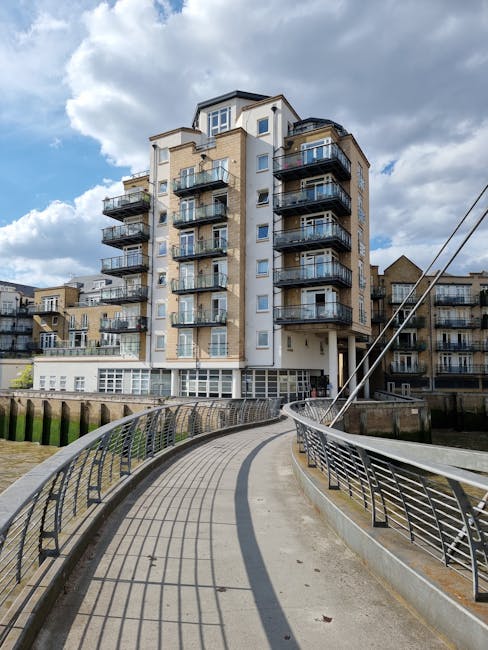
Practical checklist
Use this before your Chelsea Harbour apartment move.
- Confirm moving date, time, and building approval
- Check whether the lift must be booked or padded
- Measure large furniture and compare it to access routes
- Tell the removals team about fragile, heavy, or awkward items
- Arrange parking and loading access in advance
- Pack boxes clearly and keep essentials separate
- Protect floors, corners, and lift interiors where needed
- Review insurance and liability details before move day
- Prepare contact details for concierge or building management
- Do a final room-by-room check before handing over the keys
If you want a broader sense of the company behind these services, the about us page is a helpful place to start. And if you need to speak to someone about your move, the contact page is there when you are ready.
Get a free quote today and see how much you can save.
Conclusion
Chelsea Harbour apartment removals are rarely difficult because of distance or volume alone. They become difficult when access is unclear, lift use is assumed rather than confirmed, or the move is not planned around the building's real rules. The good news is that most of that is fixable well before moving day.
If you measure properly, ask the right questions, and choose a removals setup that fits the apartment rather than forcing the apartment to fit the move, the whole experience becomes much easier. Less waiting, less stress, fewer surprises. And in a place like Chelsea Harbour, that calm approach is not just nice to have. It is the smart way to do it.
Move carefully, keep the details close, and let the day unfold without drama. That's usually the best outcome, isn't it?

