Kings Road removals guide for narrow Chelsea terraces
Posted on 20/06/2026

If you are planning a move along Kings Road, you already know the real challenge is rarely the packing. It is the stairs, the tight hallways, the awkward turns, the loading space that disappears just when you need it, and the little London realities that make a simple job feel like a puzzle. This Kings Road removals guide for narrow Chelsea terraces is written for that exact kind of move: practical, local, and focused on what actually helps on moving day.
Terraced homes in Chelsea can be beautiful and brilliantly located, but they often demand a smarter removals plan than a more open suburban property. You need to think about access, parking, neighbours, fragile furniture, and whether the right vehicle can even get close enough. Get those details right and the day feels calmer. Miss them, and it can get messy fast. Let's make it easier.
Below, you will find a clear step-by-step approach, realistic tips, a comparison of moving options, and a checklist you can use straight away. If you want to understand how this type of move works in the real world, you are in the right place.
Why Kings Road removals guide for narrow Chelsea terraces Matters
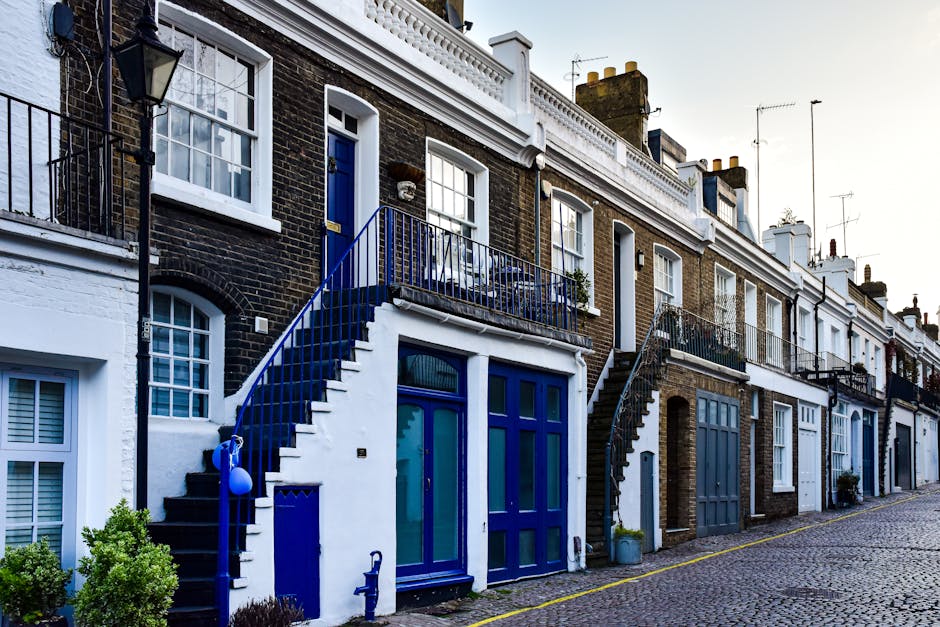
Kings Road sits in one of the busiest, most tightly packed parts of Chelsea, and that changes the way a house move needs to be planned. Narrow terraced streets, limited frontage, shared boundaries, basement levels, and compact staircases can all slow a removals team down. In some homes, there is simply no generous turning circle or wide driveway to fall back on. The move has to be planned around the property, not the other way round.
That matters because a move that looks straightforward on paper can quickly become awkward in practice. A sofa may fit through the front door but not the hallway bend. A wardrobe might clear the first floor landing but catch on a banister. Even the timing of the van matters if the street gets congested or if neighbours are also loading and unloading. Truth be told, this is where careful preparation saves more stress than any last-minute sprint ever could.
For many people, the issue is not just physical access. It is also protecting a home that may be period, painted, and slightly unforgiving when it comes to scuffed walls or chipped stair rails. If you are moving out of a terraced property in Chelsea, the goal is not just to get everything from A to B. The goal is to do it without damaging the property, the furniture, or your nerves.
If you are still comparing moving support in the area, it can help to look at the broader picture first. The team's services overview gives a useful sense of the types of removals help available, while the house removals Chelsea page is the better fit if you are moving from a full terrace rather than a flat.
Expert summary: On narrow Chelsea terraces, the best removals plan is usually the one that reduces movement inside the house, shortens the carry distance outside, and keeps the schedule flexible enough to handle access surprises.
How Kings Road removals guide for narrow Chelsea terraces Works
The actual moving process is usually simple in structure, but the detail is where Chelsea terrace moves live or die. First comes access planning. Then the packing and furniture prep. Then the vehicle choice. Then the move itself, usually with a short, carefully managed loading sequence rather than a chaotic all-at-once rush. Each of those stages benefits from a bit of local thinking.
In a narrow terrace, the removals crew may need to work room by room, starting with the largest and most awkward pieces while the house is still clear. It is common to remove fragile items and furniture in a sequence that protects the staircase and avoids bottlenecks. If there is basement storage or top-floor bedrooms, those are often the areas that need the earliest attention. You do not want the hardest item left until everyone is tired. That sounds obvious, but it happens a lot.
The vehicle choice also matters. A larger lorry is not always better if the road space is tight or the access point is awkward. A smaller removals vehicle or a man and van Chelsea option can sometimes be the smarter fit for a terraced street, especially when the load is moderate and the property layout is restrictive. For lighter moves or jobs with very limited parking, a removal van Chelsea setup can be a good practical compromise.
There is also the question of timing. Early starts often help in Chelsea because the street can feel calmer before the day properly gets going. Mid-morning may be fine for some roads, but anyone who has tried to manoeuvre around parked cars, bin collections, or delivery vehicles knows how quickly a tidy plan can wobble. A good team will think about timing as part of access, not as an afterthought.
For a more flexible, lower-friction move, many residents also compare man with a van Chelsea support against fuller service removals. The right option depends on how much you are moving, how difficult the access is, and whether you need packing support too.
Key Benefits and Practical Advantages
When a Chelsea terrace move is handled properly, the benefits are very real. First, you reduce physical strain. Carrying furniture up and down narrow stairs is tiring, and the risk of bumping edges rises fast when people are rushed. Second, you protect your belongings. Good planning means fewer scrapes, less wobbling, and fewer awkward improvisations halfway down the hall.
Third, you save time. A move that starts with a clear route, labelled boxes, and a sensible loading order usually runs with fewer pauses. That does not mean it becomes effortless. It just means the work flows instead of stalling. And in a neighbourhood like Chelsea, where space is at a premium, flow matters a lot.
There is also a trust factor. When a removals team shows up with a proper access plan, sensible vehicle size, and the right packing materials, you feel immediately that the day is under control. It is a small thing, but it changes the mood. You stop bracing for chaos and start making decisions calmly.
Some of the practical advantages people notice most include:
- less risk of damage to walls, banisters, and furniture
- faster loading because boxes and furniture are staged properly
- better use of limited curb space on tight residential streets
- lower stress for families, landlords, and neighbours
- more predictable timing on a day that can otherwise feel slippery
If you have items needing special handling, such as a heavy cabinet or upright instrument, it is worth looking at a specialist service like furniture removals Chelsea or, for delicate instruments, piano removals Chelsea. These are the sorts of details that separate a decent move from a carefully managed one.
Who This Is For and When It Makes Sense
This guide is for anyone moving in or out of a narrow Chelsea terrace, especially along or near Kings Road where access can be tight and parking is rarely generous. It is a particularly good fit if you live in a period townhouse, a basement flat within a terrace, a maisonette with steep stairs, or a family home with limited storage and lots of furniture.
It also makes sense if you are moving on a schedule. Maybe you have a handover deadline. Maybe a tenancy is ending. Maybe you are between school terms, or perhaps you are trying to move before guests arrive and the whole house feels upside-down. Chelsea life can be busy, and timing a move around it can be a bit of a juggle.
The guide is useful for:
- homeowners selling or buying on Kings Road or nearby streets
- tenants moving from upper-floor terraces or converted houses
- families relocating locally within Chelsea
- students or younger renters moving into smaller terrace rooms or shared homes
- anyone with bulky furniture and limited access
Not every move needs a full-scale removals operation. If you have a smaller load, flat removals Chelsea may be the better match, particularly if you are moving into or out of a compact terrace conversion. If you are only transporting a few items, a local man with a van Chelsea solution may be enough. The important bit is matching the service to the property, not just the postcode.
Step-by-Step Guidance
Here is the practical version. Not the glossy version. The version that helps on an actual moving day.
- Measure the awkward bits first. Check door widths, stair turns, ceiling heights on landings, and any basement access. If a piece of furniture has survived every home you have lived in, it still might not survive a Chelsea staircase.
- Map the route from room to van. Look at every threshold, narrow bend, and exterior step. The shortest route is not always the easiest one.
- Decide what needs dismantling. Beds, dining tables, shelving, and large wardrobes often move better in parts. Sometimes even one removed leg makes all the difference.
- Label boxes by room and priority. Mark the essentials clearly. Kettle, chargers, bedding, toiletries. The first night in a new place should not feel like a scavenger hunt.
- Reserve parking or at least plan the loading point. Space can vanish quickly on a road like Kings Road. Even a rough loading plan is better than hoping for the best.
- Protect floors and corners. Especially in older terraces, wear and tear can happen in seconds. A bit of protection goes a long way.
- Load in the right order. Heavy, solid items first; fragile items last; essentials near the end if they need to come out first.
- Do a final sweep. Check cupboards, loft access, under beds, and behind doors. People forget things there all the time. All the time.
For anyone who wants packing support, a dedicated packing and boxes Chelsea service can save a lot of time and reduce breakages. It is not glamorous work, but it makes the rest of the move feel far more controlled.
If the move is urgent, a same-day or next-day arrangement may also be worth considering. In a tight terrace, speed still has to be balanced with care, which is why same day removals Chelsea can be useful when timing is genuinely the main issue.
Expert Tips for Better Results
First tip: do not overpack boxes. Narrow terraces punish heavy, overfilled boxes because they are awkward to carry on stairs and tiring to hold at arm's length. A box that is technically closed is not always a good box. If it feels like a brick, it is already too much.
Second tip: keep the landing clear. In Chelsea terraces, landings can be tiny. If they become storage zones for loose boxes, coats, lampshades, and random bits of hardware, the whole move slows down. Clear landings create breathing room, and that room matters.
Third tip: treat furniture protection as standard, not optional. Blankets, wraps, and edge protection are especially helpful on painted bannisters and narrow hallway corners. If you have ever heard that dull thud of a sofa grazing a wall, you will know exactly why.
Fourth tip: communicate early with the removals team about difficult items. A grand piano, a marble table, or a vintage cabinet needs a different plan from a stack of office boxes. If a piece is unusual, say so early. Nobody enjoys a surprise wardrobe on the first floor.
Fifth tip: ask the team how they manage access issues. Do they prefer you to pre-stage items by the front room? Can they split the load into smaller runs? Will they help with dismantling? These are good questions, and in a narrow terrace they are more relevant than the usual polite small talk.
To be fair, the best tip is the simplest one: leave some slack in the schedule. A move that is planned too tightly can become stressful the moment a stair rail is awkward or a parking spot is gone. Allowing a little extra time is not wasted time. It is insurance for your sanity.
Common Mistakes to Avoid
One of the biggest mistakes is assuming all houses on a street move the same way. They do not. One terrace may have a generous front room and a practical side return; another may have a steep basement staircase and a tight split-level layout. You need to assess the specific house, not the postcode.
Another common mistake is choosing a vehicle before checking access. Bigger is not always better. If the road is cramped, a huge van can create more trouble than it solves. On the other hand, a van that is too small can force multiple trips and stretch the day out. Balance matters.
People also underestimate the time needed for stairs. Staircases in older Chelsea terraces can be narrow, twisty, and not especially forgiving. Add a bulky mattress or a chest of drawers and time disappears. Fast moving in a tight space is a myth, really. Smooth moving is better than fast moving.
Other mistakes worth avoiding:
- failing to measure the largest furniture items before moving day
- leaving packing until the night before
- forgetting to separate essentials from general household items
- not warning neighbours if access may briefly block the street
- assuming every item can be carried in one piece
If you are unsure what level of support you need, a local removals company can usually help you compare removals Chelsea options sensibly instead of trying to upsell you into something oversized. That kind of straightforward advice is usually the good sign.
Tools, Resources and Recommendations
You do not need a toolkit worthy of a film crew, but a few basic tools make terrace moves much easier. Allen keys, screwdrivers, zip bags for fixings, labels, tape, furniture blankets, and sturdy gloves all help. If you have dismantled a bed once, you already know how quickly bolts vanish into the carpet. A labelled bag saves a minor domestic crisis.
For planning, start with a room-by-room inventory. It sounds dull, but it is surprisingly useful because it shows you where the pressure points are. Once you know which room contains the heaviest furniture, the most boxes, or the most fragile items, you can sequence the move properly.
It can also help to use simple moving categories:
- Essentials: documents, medication, chargers, keys, kettle, bedding
- Fragile: glassware, artwork, mirrors, lamps, framed photos
- Bulky: wardrobes, sofas, beds, dining tables
- Special items: instruments, antiques, high-value electronics
For temporary overflow, storage Chelsea can be useful if the new property is not ready or if you need to stage the move in phases. That is particularly helpful in London, where completion dates and handover times do not always line up neatly. Funny that, isn't it?
If you want more background on the business itself, the about us page is useful for understanding the company's approach, while the pricing and quotes page helps set expectations before you request a job. Clear pricing guidance is one of the easiest ways to avoid misunderstanding later.
Law, Compliance, Standards and Best Practice
For residential moves, the most relevant compliance issues are usually practical rather than dramatic. Safe lifting, suitable vehicles, secure loading, insurance, and clear terms matter more than fancy language. Reputable removals firms in the UK typically follow health and safety best practice, use proper manual-handling methods, and take care to protect property during transit and loading.
On a narrow Chelsea terrace, best practice often means extra caution with stairs, entryways, and parked vehicles. It is sensible to check that the crew are insured and that their working methods are clear before moving day. If you are moving valuable items, ask how they are handled, wrapped, and transported. That is normal due diligence, not fussiness.
Neighbour and street considerations matter too. If loading affects access or creates a temporary obstruction, it is wise to plan respectfully and keep disruption to a minimum. You do not need to turn the street into a production set. The quieter the operation, the better.
For peace of mind, it also helps to review the company's documented policies, especially if you are moving a full household with expensive or fragile belongings. The insurance and safety information, alongside the health and safety policy, gives a clearer picture of how seriously the team treats risk. If sustainability matters to you, the recycling and sustainability page is also worth a look.
There are also consumer-facing details that matter, such as the terms of service, payment security, and how complaints are handled if something does not go to plan. These pages are not the exciting bit of the move, granted, but they are the bit that tells you how the company behaves when things get real.
Options, Methods, or Comparison Table
Choosing the right moving method on Kings Road usually comes down to access, volume, and how much help you want. Here is a simple comparison.
| Option | Best for | Strengths | Watch-outs |
|---|---|---|---|
| Full house removals | Large terraces, family homes, full contents | Most support, better for heavy and mixed loads | Needs more planning and may be more vehicle-dependent |
| Man and van | Smaller to medium moves, local relocations | Flexible, often easier on tight streets | May not suit very large or complex furniture loads |
| Removal van only | Customers who can manage more of the lifting themselves | Simple, often efficient for compact moves | Less hands-on help, so stair access can still be tricky |
| Same-day removals | Urgent handovers, short-notice changes | Speed and responsiveness | Needs flexibility; not ideal for huge or heavily packed homes |
| Storage plus removals | Staged moves, delayed completions, decluttering | Reduces pressure if dates do not align | Requires an extra step and careful planning |
If you are comparing service styles, the removal services Chelsea page gives a broader sense of what can be arranged, while house removals Chelsea is generally the most relevant starting point for a full terrace move. Smaller jobs often sit better within man and van Chelsea support, especially where access is tight but the volume is not huge.
Case Study or Real-World Example
Picture a typical Chelsea terrace on or near Kings Road. A couple are moving from a three-storey home with a basement, two bedrooms upstairs, and a dining table that has never once been easy to move. The hallway is narrow, the staircase turns sharply, and the front window is lovely but absolutely not a loading route. The van cannot sit directly outside for long, so the team has only a short loading window.
In that situation, the successful move usually starts the day before. The couple separates essentials, dismantles the bed, wraps mirrors, and stages boxes near the front room. The removals team arrives early, checks the access, and begins with the most awkward furniture while everyone is still fresh. The sofa is moved in parts. The table legs are removed. The fragile boxes wait until the end. Nothing dramatic. Just method.
What makes the difference is not speed alone. It is sequencing. The team avoids clogging the hallway, keeps one route clear, and takes small, controlled loads to the van. The result is a move that feels steady rather than frantic. There may still be the odd scrape of a shoe on a step, and someone probably says "that was tighter than it looked" at least once. But the day gets done cleanly.
That is the real lesson with narrow terraces: the move becomes easier when every part of it is made slightly smaller and more deliberate.
Practical Checklist
Use this before moving day. It will save you from at least a few annoyances, and possibly a full-blown headache.
- Measure doors, stairs, landings, and the largest furniture items
- Confirm whether any furniture needs dismantling
- Label boxes by room and priority
- Pack an essentials bag for the first night
- Clear hallways, landings, and front access points
- Check parking and loading arrangements on Kings Road or nearby streets
- Tell the removals team about heavy, fragile, or unusual items
- Protect floors, corners, and bannisters where needed
- Set aside tools, tape, and fixings for reassembly
- Review insurance, safety, terms, and payment details
- Keep keys, documents, and valuables with you
- Allow extra time for stair carries and tight access
If you want to explore the company further before booking, the contact page is the sensible next step once you have your details ready. And if you are still deciding what kind of move best suits your property, the broader removal companies Chelsea page can help you frame that choice.
Get a free quote today and see how much you can save.
Conclusion
Moving from a narrow Chelsea terrace does not have to be a bruising experience. With the right planning, the right vehicle, and a removals team that understands compact access, a Kings Road move can be organised, calm, and surprisingly efficient. The trick is to respect the house you are moving through. Its stairs, its corners, its quirks. Once you do that, everything gets easier.
That is especially true in Chelsea, where beautiful homes often come with slightly awkward logistics. Not a problem. Just something to prepare for properly. And honestly, once the boxes are down and the kettle is on, the whole thing starts to feel worth it.
Even a tight move can have a smooth finish, and that is usually what people remember most.