SW3 removals tips for Chelsea mews and townhouses
Posted on 15/07/2026

SW3 Removals Tips for Chelsea Mews and Townhouses
Moving in SW3 sounds straightforward on paper, until you meet a narrow mews lane, a steep staircase, or a townhouse landing that seems to turn at the worst possible angle. If you are planning a move in Chelsea, the right SW3 removals tips for Chelsea mews and townhouses can save time, protect valuables, and reduce the kind of stress that creeps in when vans are waiting outside and the clock is moving faster than you are. Truth be told, a good Chelsea move is usually won in the planning, not on the day.
This guide walks through the practical side of moving into or out of a mews house or townhouse in SW3: how these properties differ from flats, what makes access tricky, how to pack and protect furniture, and when it makes sense to use a specialist team. If you're also comparing services, it can help to browse the wider services overview and the company's approach to working in Chelsea.
Whether you are relocating from a family townhouse off a quiet garden square, or squeezing a sofa through a mews entrance that feels one inch wider than the sofa itself, the advice below is built to be useful in the real world.
Why SW3 Removals Tips for Chelsea Mews and Townhouses Matters
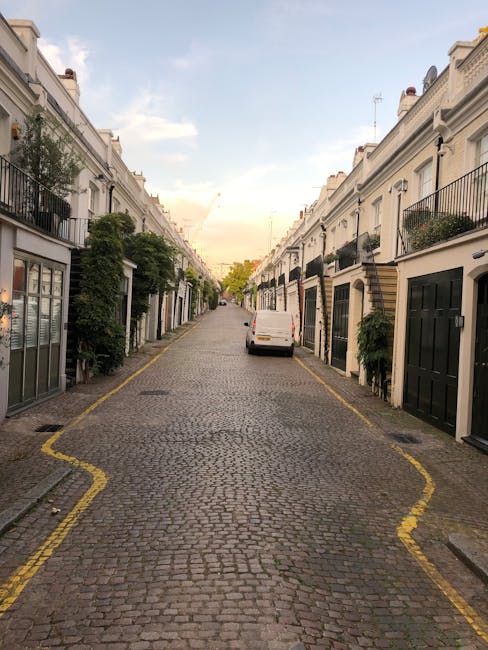
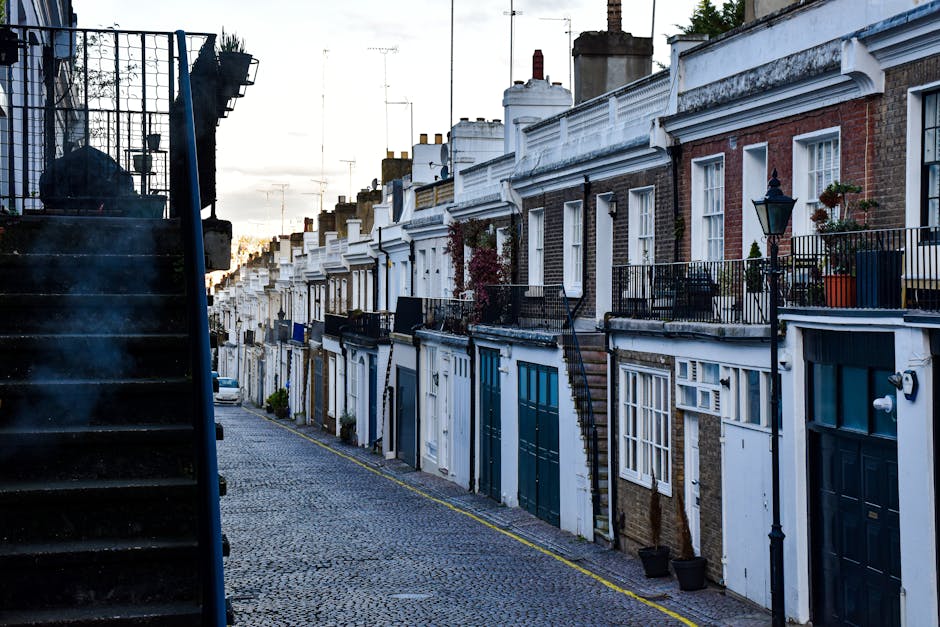
Chelsea mews and townhouses are beautiful, but they are rarely forgiving on moving day. Tight access, narrow pavements, limited parking, split-level interiors, and awkward turns inside stairwells all add friction. A move that would feel simple in a modern block can become a carefully choreographed job in SW3. That is why the right preparation matters so much.
In practical terms, small mistakes become expensive. A badly measured wardrobe may need to be dismantled. A poorly packed box can split when lifted down a staircase. A van parked too far away means more carrying, more time, and more risk of damage. And because many Chelsea properties sit on busy residential streets, you often have less room for last-minute improvisation than you think.
There is also the human side. Moving out of a home with character can be emotional. You may be trying to protect polished floors, period bannisters, artwork, or furniture that has travelled with you for years. Good moving advice is not just about speed. It is about preserving the property, your belongings, and your sanity.
Key takeaway: in SW3, the move itself is only half the job. The other half is access planning, careful packing, and choosing the right vehicle and crew for the building.
How SW3 Removals Tips for Chelsea Mews and Townhouses Works
Moving in a Chelsea mews or townhouse usually follows the same broad removal process, but the detail is more demanding. The key difference is that the property layout and street access shape almost every decision. A team experienced in house removals in Chelsea will usually begin by checking access, item volumes, parking options, and any fragile or oversized pieces that need special handling.
Most good moves start with a short survey or detailed phone discussion. The mover will want to know:
- how many floors the property has
- whether there is a private drive, mews lane, or narrow street access
- if large items need dismantling
- what parking space is realistically available
- whether access involves steps, tight turns, or shared entrances
From there, the logistics are matched to the property. A townhouse on multiple levels may need a crew with stronger packing discipline and more time for lifting. A compact mews home might be easier to load, but harder to access. Let's face it, Chelsea likes to keep things elegant and just slightly inconvenient.
For some customers, a smaller vehicle and a flexible loading setup work best. For others, especially with larger furniture or a fuller household move, a more structured team and a larger removal van are the smarter choice. If you are weighing options, the company pages for man and van Chelsea and removal van Chelsea can help you understand the differences.
The move itself then tends to follow a simple rhythm: protect, carry, load, secure, transport, unload, and place items room by room. In a townhouse, that final part matters more than many people expect. The fewer times a heavy item is moved around inside the destination property, the less chance there is of scraping walls or damaging corners.
Key Benefits and Practical Advantages
A well-planned Chelsea move is not just smoother; it usually costs less in time, labour, and avoidable damage. That is the real advantage. You are not paying for drama, only for a job done properly.
Here are the main benefits of following a tailored approach:
- Less risk of damage: careful item sizing and protective wrapping reduce knocks on stair rails, paintwork, and furniture.
- Better time control: access planning shortens loading and unloading times, which is especially useful if parking is limited.
- Cleaner room-by-room placement: labelled boxes and a logical unloading order mean fewer lost items and less reshuffling.
- Lower stress: the move feels more manageable when each step has already been thought through.
- Improved safety: fewer rushed lifts and fewer awkward manoeuvres means fewer slips, strains, and "that looked easier on paper" moments.
There is another advantage too: a better move protects the property itself. Many Chelsea townhouses have finishes that deserve a bit of respect, from timber floors to decorative architraves. A careful team will treat those features as part of the job, not background scenery.
For customers moving furniture-heavy households, it may also be worth looking at furniture removals Chelsea or, if the move involves storage between properties, storage in Chelsea. That can be especially useful when completion dates are not lining up neatly, which, to be fair, happens quite often.
Who This Is For and When It Makes Sense
This advice is especially useful if you are moving in or out of a mews house, a period townhouse, or a multi-storey family home in SW3. It is also relevant if you are a landlord preparing a property for new tenants, an owner managing a refurbishment, or someone relocating family furniture and specialist items.
You will benefit most from these tips if:
- your property has narrow staircases or split levels
- parking is restricted near your front door
- you have bulky items such as wardrobes, sideboards, mirrors, or beds
- you are moving with children, pets, or older family members in the house
- you need to minimise disruption on a tight schedule
- you are comparing a DIY move with a professional service
If your move is small and straightforward, a flexible man with a van Chelsea option may be enough. If it is a full household move with antiques, art, or a piano, you will want a more specialised arrangement. For delicate instruments, there is a dedicated piano removals Chelsea service for exactly that reason.
Sometimes the decision is also about timing. If you have a completion date that could shift, or you need to move out quickly, same-day or short-notice support may be more useful than a larger prebooked operation. In those cases, same-day removals Chelsea can be relevant, depending on availability.
Step-by-Step Guidance
The easiest way to handle a Chelsea mews or townhouse move is to work backwards from moving day. Start with access, then items, then packing, then paperwork. That order keeps things calm. More or less.
-
Measure the difficult bits first.
Do not begin with boxes. Begin with stairwells, landings, door widths, and the largest item you own. If a sofa, bed base, or dresser is questionable, measure it against every turning point between the room and the van.
-
Assess the street outside.
Is there enough room for a van to stop safely? Can loading happen without blocking neighbours or traffic? Mews streets can be deceptively tight, so what looks fine at noon may be impossible by 3pm if parking has filled up.
-
Sort belongings before boxing anything.
Create keep, donate, recycle, and pack piles. This keeps you from paying to move things you no longer want. It also reduces clutter in properties that already feel busy because of stairs and furniture.
-
Pack by room and by fragility.
Label boxes clearly and keep heavy items small enough to carry safely. A box of books should be compact. A huge book box sounds efficient, until someone has to carry it down three flights. You can guess how that ends.
-
Dismantle only what genuinely needs dismantling.
Over-dismantling creates extra screws, extra confusion, and extra time on reassembly. But some items absolutely should come apart. Beds, large wardrobes, and awkward shelving often move far better in sections.
-
Protect floors, corners, and furniture.
Use blankets, wraps, and corner protection where appropriate. Period properties often have paintwork and flooring that mark faster than people expect, especially during damp weather when shoes carry in dirt.
-
Load in the right order.
Heavier and sturdier items usually go in first, with fragile items secured last but protected properly. Keep anything you need immediately, such as keys, medication, chargers, and documents, with you rather than buried in a stack of boxes.
-
Do a final walk-through.
Check cupboards, loft spaces, under beds, and behind doors. Chelsea homes have character, which also means hidden storage places that are very easy to forget in the rush.
A sensible final step is to confirm payment, insurance, and timing details before the crew arrives. That sort of admin feels dull, but it prevents the awkward mid-move pause where everyone is standing around waiting for a decision. Nobody enjoys that moment.
Expert Tips for Better Results
These are the small things that tend to make the biggest difference in SW3.
- Use colour-coded labels. Blue for kitchen, red for bedroom, green for fragile, for example. It is such a simple system, and it works.
- Photograph cable setups before unplugging. This saves time at the other end and helps if you have multiple screens, speakers, or office equipment.
- Keep a "first night" box separate. Kettle, mugs, toiletries, phone chargers, fresh clothes, pet items, and toilet roll belong in one clearly marked box.
- Schedule collections with your building in mind. If the property is quiet early in the morning, take advantage of that. If neighbours are sensitive to noise, a later start may be friendlier.
- Check the weather. Rain in London is hardly a shock, but wet steps and damp cardboard make moving more slippery and less pleasant.
- Protect mirrors and artwork individually. Flat-pack thinking does not suit everything. Some items need custom wrapping, not just a box and hope.
One extra tip that sounds obvious only after the event: give yourself more time than you think. Most people underestimate how long it takes to carry items down stairs, especially when hallways are narrow and the route has to be repeated ten times. You do not want to be making decisions with one shoe on and a van waiting outside.
For a fuller understanding of how local moving services are structured, the removals Chelsea page and the broader removal services Chelsea overview can be useful reading.
Common Mistakes to Avoid
Most moving problems in Chelsea are not dramatic disasters. They are small avoidable mistakes that stack up. A few of the common ones are worth calling out plainly.
- Ignoring access measurements. This is the classic one. A wardrobe can be beautifully measured in a bedroom and still fail at the top stair turn.
- Assuming parking will sort itself out. It often will not. Especially not in SW3.
- Using oversized boxes for heavy items. Big boxes look efficient right up until you try to lift them.
- Leaving packing to the last evening. That usually creates broken items, missing essentials, and a very tired mood the next day.
- Forgetting to protect walls and floors. One scraped edge can turn a calm move into an annoying repair job.
- Booking a vehicle that is too small. Repeated trips waste time and can cost more than choosing the right setup from the start.
There is also a subtle mistake people make in townhouses: they underestimate the mental load of moving between floors. A staircase might not look difficult, but after twenty or thirty passes with boxes, you will feel it. That is where pacing, rest breaks, and a strong loading plan really help.
Tools, Resources and Recommendations
You do not need a mountain of equipment for a successful Chelsea move, but a few practical tools make life easier.
- Strong double-walled boxes for books, kitchenware, and heavier household items
- Wardrobe boxes for hanging clothes and longer garments
- Packing paper and bubble wrap for glass, crockery, lamps, and decorative items
- Furniture blankets and straps for protection and secure loading
- Marker pens and labels to keep rooms and priorities clear
- Basic screwdriver set and hex keys for simple dismantling
- Floor covers or old sheets for high-traffic routes
If you prefer not to buy everything yourself, a packing support service can be worth it. The team behind packing and boxes Chelsea can help simplify the most time-consuming part of the job. That matters if you are juggling work, childcare, or a move date that came around far too quickly.
It can also help to explore the local context a little. Chelsea is a high-value, design-conscious area, so moving plans often need to balance speed with care. Reading the local perspective in considering Chelsea as home, locals weigh in or the Chelsea real estate market guide can give you a better feel for property types, buyer expectations, and the sort of homes commonly being moved into or out of.
Law, Compliance, Standards, or Best Practice
For a residential move in SW3, the main compliance concerns are usually practical rather than dramatic. You want a provider that treats health and safety seriously, carries suitable insurance, and follows sensible moving procedures. That includes safe lifting, secure loading, and care around both the property and the public.
In the UK, removal work should be approached with proper risk awareness. That means thinking about stair safety, heavy lifting, trip hazards, wet surfaces, and vehicle access. A professional team should be able to explain how they protect belongings, staff, and property. If you want to understand the kind of standards a reputable company should follow, the health and safety policy and insurance and safety information are worth reviewing.
If you are arranging a move into a townhouse managed by a landlord, block manager, or estate agent, it is sensible to ask in advance about loading times, lift use where applicable, floor protection, and any access notes for removals. The exact rules can vary by property, so confirmation is better than guessing. That sounds simple, but you would be surprised how often people leave it until the morning of the move.
Good practice also includes transparency on pricing and payment terms. If you are comparing providers, check the pricing and quotes page, along with the relevant terms and conditions and payment and security information. Clear expectations make for a calmer move, no question.
Options, Methods, and Comparison Table
Not every Chelsea move needs the same setup. The best approach depends on volume, access, and how much hands-on help you want.
| Option | Best for | Strengths | Limitations |
|---|---|---|---|
| Man and van | Small to medium moves, lighter furniture, flexible timing | Quick, adaptable, often efficient for narrow streets | May be less suitable for larger households or many heavy items |
| Dedicated removal van | Full-house moves and larger item volumes | More space, better organisation, usually fewer trips | Needs more planning around access and parking |
| Full removal service | Busy households, fragile items, complex access | Most support with packing, loading, and unloading | Usually the most involved option, though often the least stressful |
| Storage plus removals | Gap between move-out and move-in dates | Useful for chain delays, refurbishments, or staged moves | Requires extra coordination and timing |
For many SW3 households, the best choice is not the cheapest one on paper but the one that avoids breakage, repeat trips, and unnecessary hassle. A tidy move is often cheaper than a scrappy one, even if the quote looks a bit higher at first glance.
If you are unsure which setup fits your property, it can help to start with a broad service page like removal companies Chelsea and then narrow down to the option that matches your home, timescale, and furniture load.
Case Study or Real-World Example
Here is a realistic example. A couple moving from a three-storey townhouse near a quiet Chelsea side street had a mix of furniture: a king-size bed, a dining table, a glass cabinet, boxes of books, and a couple of awkward lamps. At first, they thought a van and a few strong hands would do the job. Then they walked the route from the top floor to the curb and realised the stair turns were tighter than expected.
Instead of pushing ahead and hoping for the best, they measured each item, dismantled the bed and table legs, packed books into smaller boxes, and reserved a moving slot that allowed time for careful loading. They also cleared the street-side space the day before, which made a huge difference. The move still took effort, but it did not become a drama. No chipped glass. No panic. No last-minute rearranging in the rain.
The interesting part was what they said afterwards: the move felt slower than they expected, but calmer than they had feared. That is usually the sweet spot in Chelsea removals. Not rushed. Not chaotic. Just well handled.
For moves that need a tighter schedule or a smaller, more flexible setup, the discussion often comes back to man with a van Chelsea or a more structured house move arrangement. The right choice depends on the property, not the postcode alone.
Practical Checklist
Use this checklist the week before your move, then again the day before. It keeps things grounded.
- Measure doors, stair turns, and any furniture that might be too large
- Confirm parking or loading access outside the property
- Book the right level of moving support
- Pack heavy items into small, manageable boxes
- Label boxes by room and urgency
- Separate essentials for the first night
- Dismantle large furniture only where needed
- Protect floors, corners, mirrors, and tabletops
- Keep valuables, keys, and documents with you
- Confirm insurance, payment, and timing details
- Notify your building contact if access needs to be coordinated
- Do one final sweep of cupboards, loft spaces, and storage areas
Quick reminder: the more complex the property, the more helpful it is to keep the process simple. Simple labels. Simple loading order. Simple communication. That is usually how the best moves happen.
Get a free quote today and see how much you can save.
Conclusion
SW3 removals tips for Chelsea mews and townhouses come down to one principle: plan for the property you actually have, not the one you wish you had. Chelsea homes are charming, but they ask a lot from the moving process. Narrow access, elegant staircases, and limited parking all make careful preparation more than a nice-to-have.
If you measure properly, pack smartly, choose the right vehicle, and give the move enough time, most of the stress drops away. What is left is manageable. Sometimes even satisfying, in a slightly odd moving-day way. And once the last box is through the door, the house starts feeling like home again.
That moment, with the kettle on and the boxes stacked neatly in the right rooms, is worth the effort.